
Moving to Austria
Why Austria?
Quality of life
Austria offers one of the highest qualities of life in Europe, supported by strong social protections, political stability, and a highly developed economy. It is also one of the safest countries in the world, making it especially attractive for individuals and families seeking security and long-term stability.
Universal healthcare
Austria provides access to a comprehensive universal healthcare system with broad coverage and high-quality care. Residents benefit from easy access to doctors and hospitals, with some of the shortest waiting times in Europe.
Cost of living
Education system
Austria’s education system is highly regarded and accessible, with public universities offering excellent programs at modest tuition costs. Many master’s programs are available in English, making higher education more accessible to international students.
Natural beauty
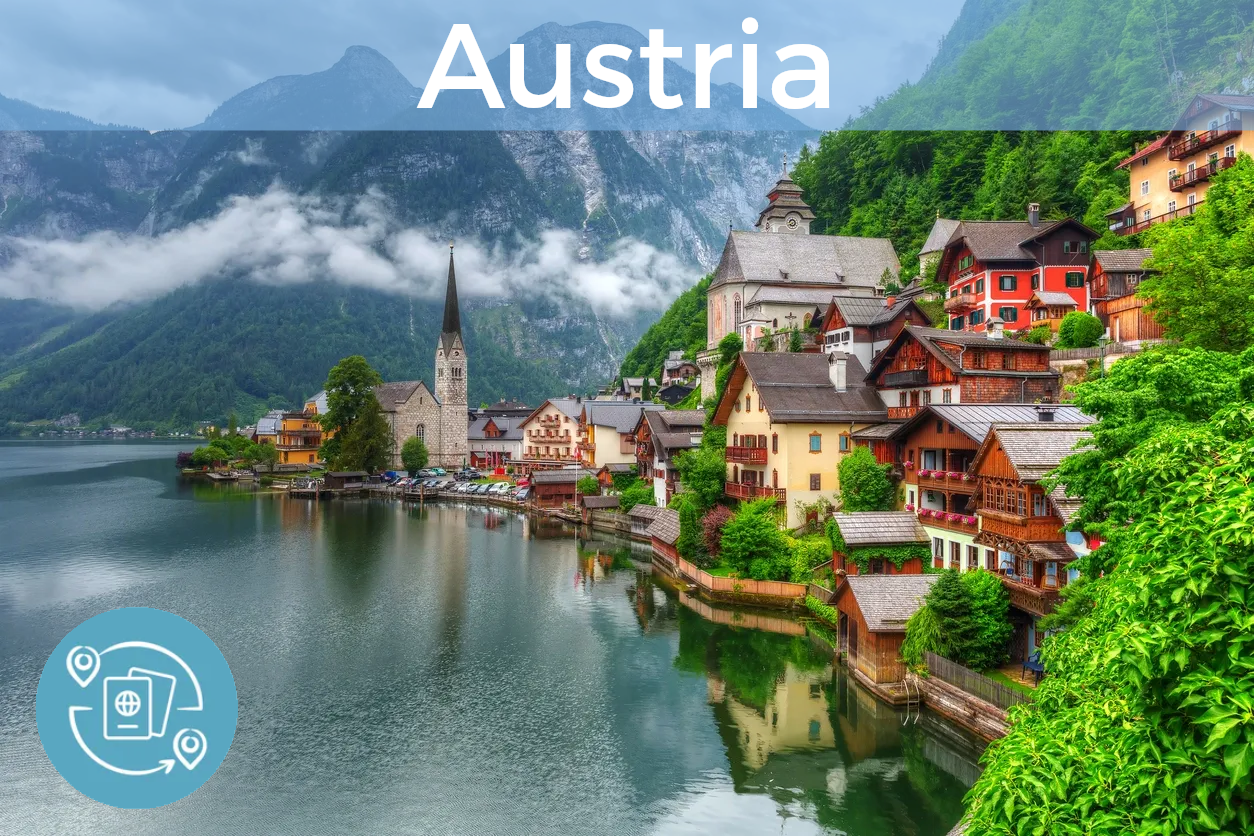
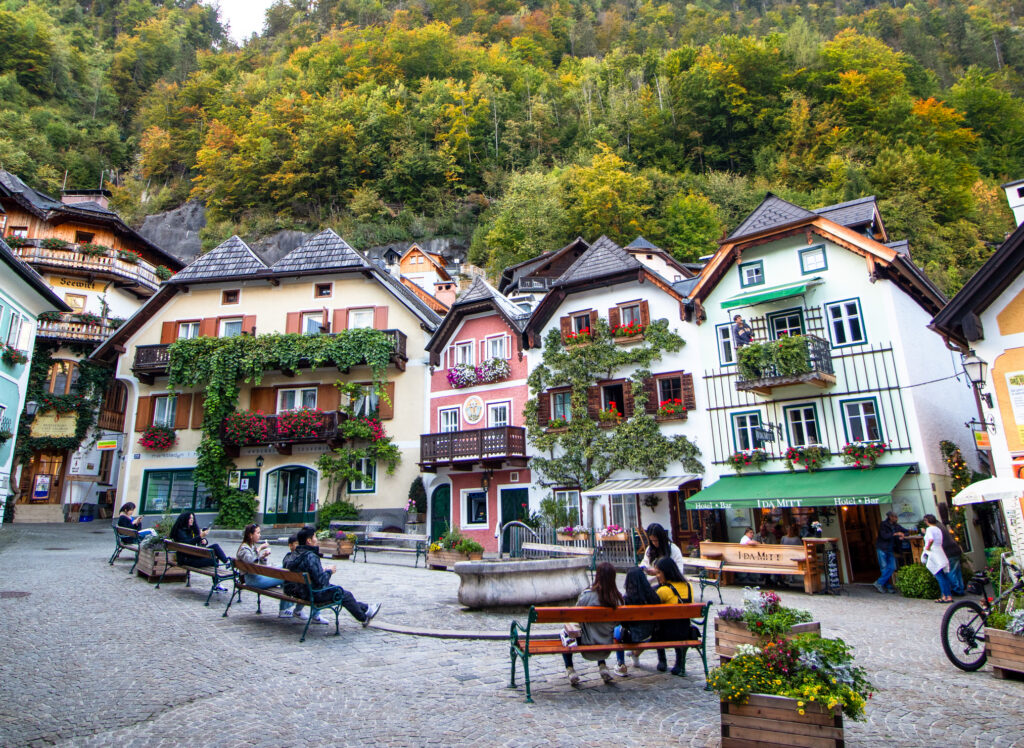
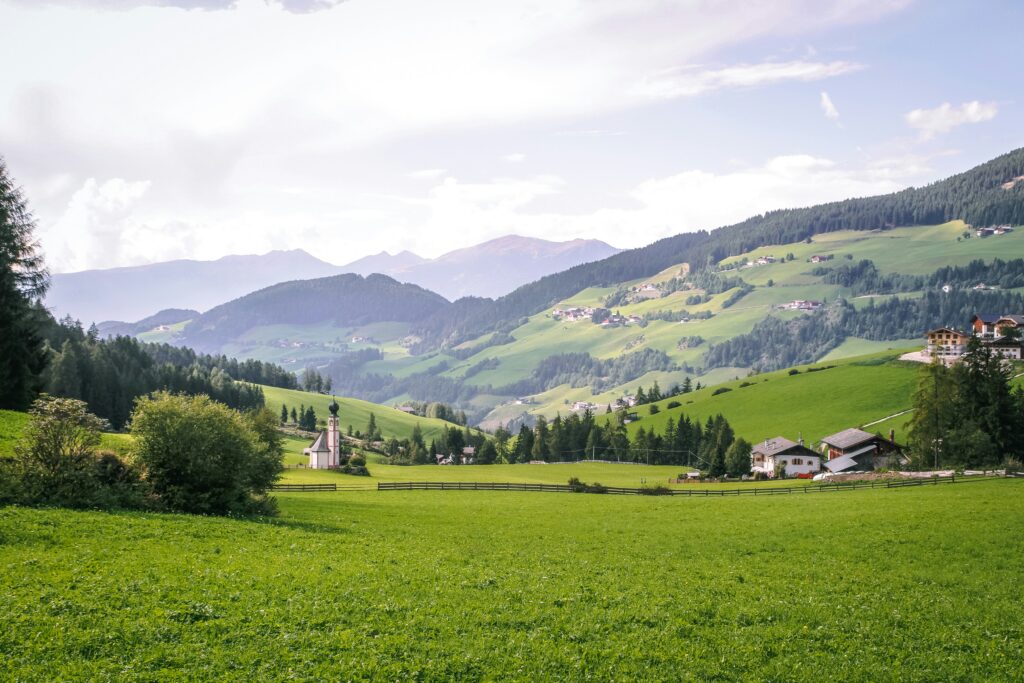
Austria is renowned for its stunning alpine landscapes, including dramatic mountains, green valleys, and picturesque villages. It offers endless opportunities for outdoor activities such as hiking, skiing, and exploring some of Europe’s most iconic scenery.
Dual citizenship
The United States and Austria both allow dual citizenship.
We'd Love to Chat
Austria is in the European Union and the Schengen Area
Membership in the European Union and the Schengen area offer Austrian citizens significant benefits.
The European Union
The Schengen Area
How Can I Move to Austria?

You can move to Austria with a Long-Stay Visa
Long-Stay visas
How do Long-Stay Visas work?
Visa application
You must apply for a visa and submit detailed documentation demonstrating that you meet the qualifications for the specific category you are seeking. This process can be time-consuming and complex, which is why many people choose to work with Geostrata so they can remain focused on their careers, families, and daily lives. Our network of trusted law firm partners will take care of your visa application, ensuring every detail is handled with precision, compliance, and care.
Basic requirements
Most visas have a shared set of basic requirements. You must have enough income to cover your cost of living during your stay. The amount of income (and what kind of income) differs depending on your situation. You will also need to show proof of accommodation, which may be a leased apartment, a hosting arrangement with family or friends, or a home you own. Austria’s immigration system is based on a points system. Each visa category requires a minimum number of points, which are awarded based on factors such as education, age, professional experience, and language proficiency.
Geostrata has deep expertise across the full range of visa pathways available to Americans. We carefully evaluate your background, objectives, and timeline to identify the option best suited to your circumstances.

Schedule a free consultation
A Geostrata consultant will answer your questions, map out your options, and help you take the first step toward your move to Europe.
Types of Long-Stay Visas
Austria Offers Many Options for Americans
- People who are hired to work at an Austrian company
- Freelancers, artists, self-employed, and entrepreneurs
- Highly-qualified workers (EU Blue Card)
- Highly-qualified workers (Red-White-Red Card)
- Startup founders
- Researchers and scientists
- Very highly qualified job seekers
- Artists
- Students
- Retirees
- Volunteers (temporary)
- Seasonal workers (temporary)
- And more!
Spotlight: Austria's Job-Seeker Visa (Red-White-Red Card)
For Job-Seekers
Basic requirements
Austria’s Red-White-Red Card pathway allows you to move to Austria and search for employment without securing a job in advance.
To qualify, you must meet a minimum score under Austria’s points-based system, which evaluates factors such as education, professional experience, age, and language skills. Stronger qualifications and younger age can improve your score and overall eligibility.
Benefits
This pathway removes one of the biggest barriers to working in Europe by eliminating the need for a labor market test. Employers do not have to prove that no local or EU candidate is available, making it significantly easier for them to hire you.
Once you secure a job, you can obtain a Red-White-Red Card and begin working in Austria. In many cases, you may also have the flexibility to engage in freelance or self-employed activities alongside your primary employment.
Pathway to permanent residency
The Red-White-Red Card provides a clear path to long-term residence in Austria.
After securing employment and maintaining legal residence, you can transition to longer-term permits that offer greater stability. Over time, continued residence and employment may lead to permanent residency, providing long-term security and expanded rights within Austria and the European Union.
Spotlight: European Union Blue Card
For Highly-Qualified Workers
Basic requirements
The EU Blue Card in Austria is designed for highly skilled professionals seeking to live and work in the European Union.
To qualify, you must have a valid work contract or a binding job offer for highly qualified employment with a minimum duration of six months. Most applicants must hold a university degree. However, IT professionals and certain service managers may qualify with at least three years of relevant experience within the past seven years, equivalent to a degree.
Benefits
The EU Blue Card is one of the most powerful and flexible residence permits in Europe. It provides full access to Austria’s social systems, including healthcare, social security, and public benefits.
Your family can accompany you, and you benefit from mobility within the European Union. After 18 months of working in Austria, you can move to another EU member state and transfer your Blue Card through a simplified process. In many cases, you may also engage in self-employed activities alongside your primary employment.
Pathway to permanent residency
The EU Blue Card offers a direct path to permanent residence. After living in Austria for five years, you can apply for EU Long-Term Residence.

Spotlight: Austria's Non-Lucrative Settlement Permit

For Retirees and Financially Self-Sufficient People
- Single Adults: €2,547.98
- Couples: €4,019.70
- Additional income for each child: €393.14
EU Long-Term Residency
Austrian Citizenship

EU Long-Term Residency

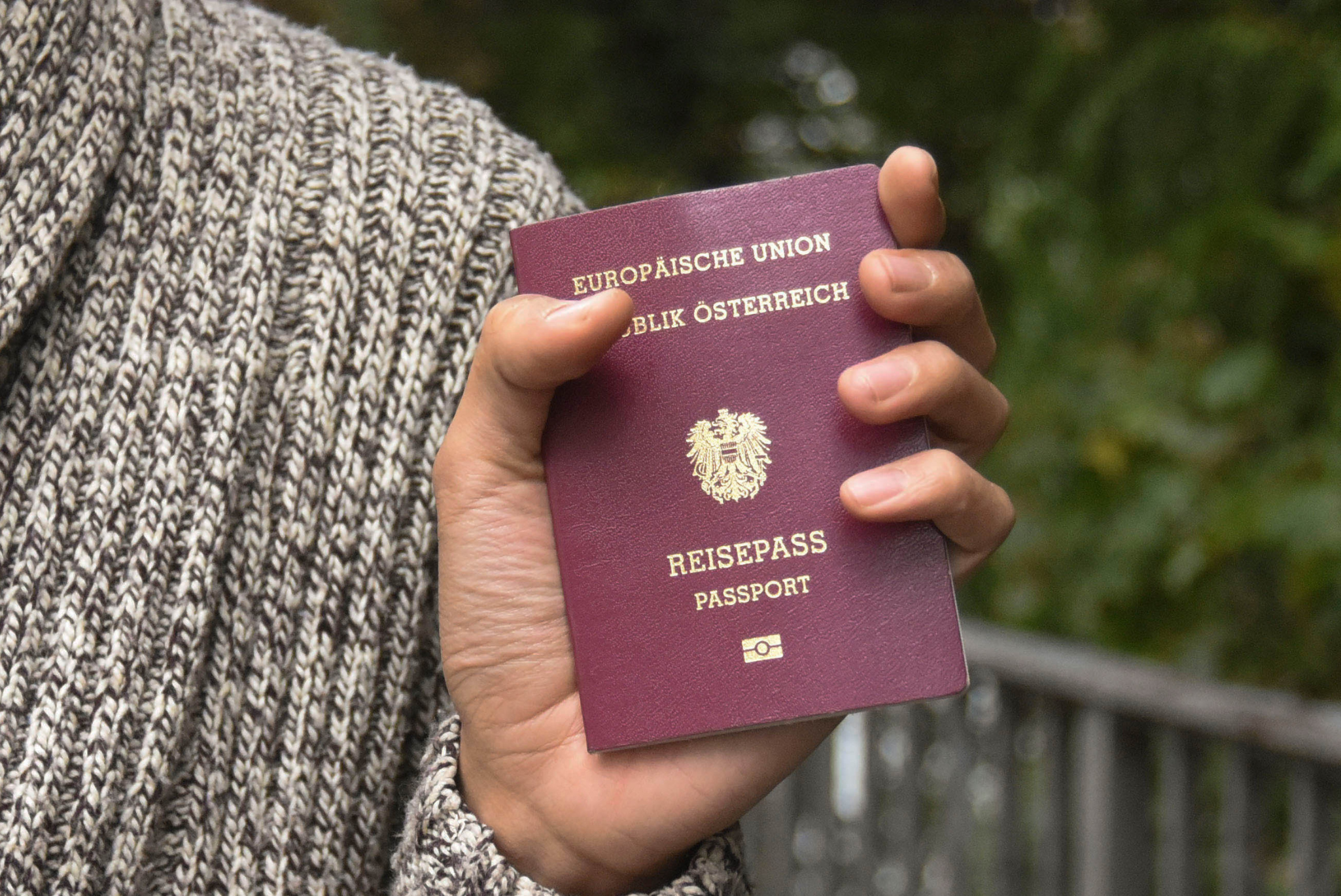
Austrian Citizenship
Ways to Obtain Austrian Citizenship
Naturalization, Ancestry, and Marriage
Naturalization
Ancestry
Marriage

contact us
Contact us with your questions
We would love to speak with you! Feel free to reach out with any questions.

get in touch
Schedule a free consultation
Schedule a free consultation with our team and start your journey!
FAQ
A frequently asked question surrounding your service
A detailed answer to provide information about your business, build trust with potential clients, and help convince the visitor that you are a good fit for them.
A frequently asked question surrounding your service
A detailed answer to provide information about your business, build trust with potential clients, and help convince the visitor that you are a good fit for them.
A frequently asked question surrounding your service
A detailed answer to provide information about your business, build trust with potential clients, and help convince the visitor that you are a good fit for them.
A frequently asked question surrounding your service
A detailed answer to provide information about your business, build trust with potential clients, and help convince the visitor that you are a good fit for them.