A historical castle in the mountains with the word "Germany" at the top

Moving to Germany

Why Germany?

Germany is one of the most powerful and opportunity-rich destinations in Europe for Americans looking to relocate. With its strong economy, high quality of life, and growing demand for skilled workers, it offers a clear and strategic path to living and working in Europe.

Germany offers a high quality of life supported by strong social protections, modern infrastructure, and a stable economy. Its safe environment and well-organized systems provide both security and peace of mind for individuals and families.

Germany provides access to one of the world’s strongest universal healthcare systems. Residents benefit from high-quality medical care that is both accessible and affordable, contributing to long-term well-being.

The cost of living in much of Germany is lower than in the United States. Everyday expenses such as groceries, dining, and transportation are more affordable, allowing many Americans to enjoy a higher standard of living.

Germany offers a highly accessible and affordable education system, including at the university level. Students typically pay only nominal fees while receiving a world-class education.

Germany is known for its diverse landscapes, from green countryside and rugged mountains to historic cities and cultural landmarks. Its central location also makes it easy to travel throughout Europe for weekend trips and extended exploration.

The United States and Germany both allow dual citizenship.

We'd Love to Chat

Contact us today to schedule a free consultation to learn more about moving to Germany.

Germany is in the European Union and the Schengen Area

Membership in the European Union and the Schengen area offer Italian citizens significant benefits.

Countries within the European Union (EU) offer an extraordinary level of freedom and mobility. Under the EU’s freedom of movement rules, citizens of one member state can live and work in any other EU country (plus Switzerland, Norway, and Iceland) without the need for a visa. In practical terms, this means that German citizens can move seamlessly to France, Italy, Portugal, Spain, or any other EU member state without restriction. For Americans who become EU Long-Term Residents in Germany, moving to another EU country is also possible through a simplified and streamlined process.
Germany is also part of the Schengen Area, a unique region where people, commerce, and capital move freely across borders without passport controls. This openness removes many of the barriers that exist elsewhere, making both everyday life and business significantly easier. It enables effortless travel, deeper integration, and a truly borderless European experience.
Logos of the European Union and Schengen area

How Can I Move to Germany?

Female tourist traveling in train standing out of window train and looking beautiful nature

You can move to Germany with a Long-Stay Visa

This is the most common pathway for Americans seeking to move to Germany. A visa is official authorization that allows you to live, work, and/or study in another country. Most visas are issued for a period of one year and can be renewed as long as you continue to meet the visa’s requirements. Without a visa, U.S. citizens can only visit Germany for tourism for up to 90 days, but cannot remain long-term, establish residency, or work.

How do Long-Stay Visas work?

You must apply for a visa and submit detailed documentation demonstrating that you meet the qualifications for the specific category you are seeking. This process can be time-consuming and complex, which is why many people choose to work with Geostrata so they can remain focused on their careers, families, and daily lives. Our network of trusted law firm partners will take care of your visa application, ensuring every detail is handled with precision, compliance, and care.

Most visas have a shared set of basic requirements. You must have enough income to cover your cost of living during your stay. The amount of income (and what kind of income) differs depending on your situation. You will also need to show proof of accommodation, which may be a leased apartment, a hosting arrangement with family or friends, or a home you own. Geostrata has deep expertise across the full range of visa pathways available to Americans. We carefully evaluate your background, objectives, and timeline to identify the option best suited to your circumstances.

Types of Long-Stay Visas

Germany Offers Many Options for Americans

Whether you are looking to work, study, or simply embrace a new chapter, Germany offers a range of visa options to help make your move possible. The following could be eligible for a Long-Stay Visa:
 
  • People who are hired to work at a German company
  • Freelancers, artists, self-employed, and entrepreneurs
  • Highly-qualified workers (EU Blue Card)
  • Researchers and scientists
  • Job seekers
  • Students
  • Seasonal workers (temporary)
  • And more!
Beautiful urban girl photographer looking away, holding a camera.

Spotlight: Germany's Job Search Visa (Opportunity Card)
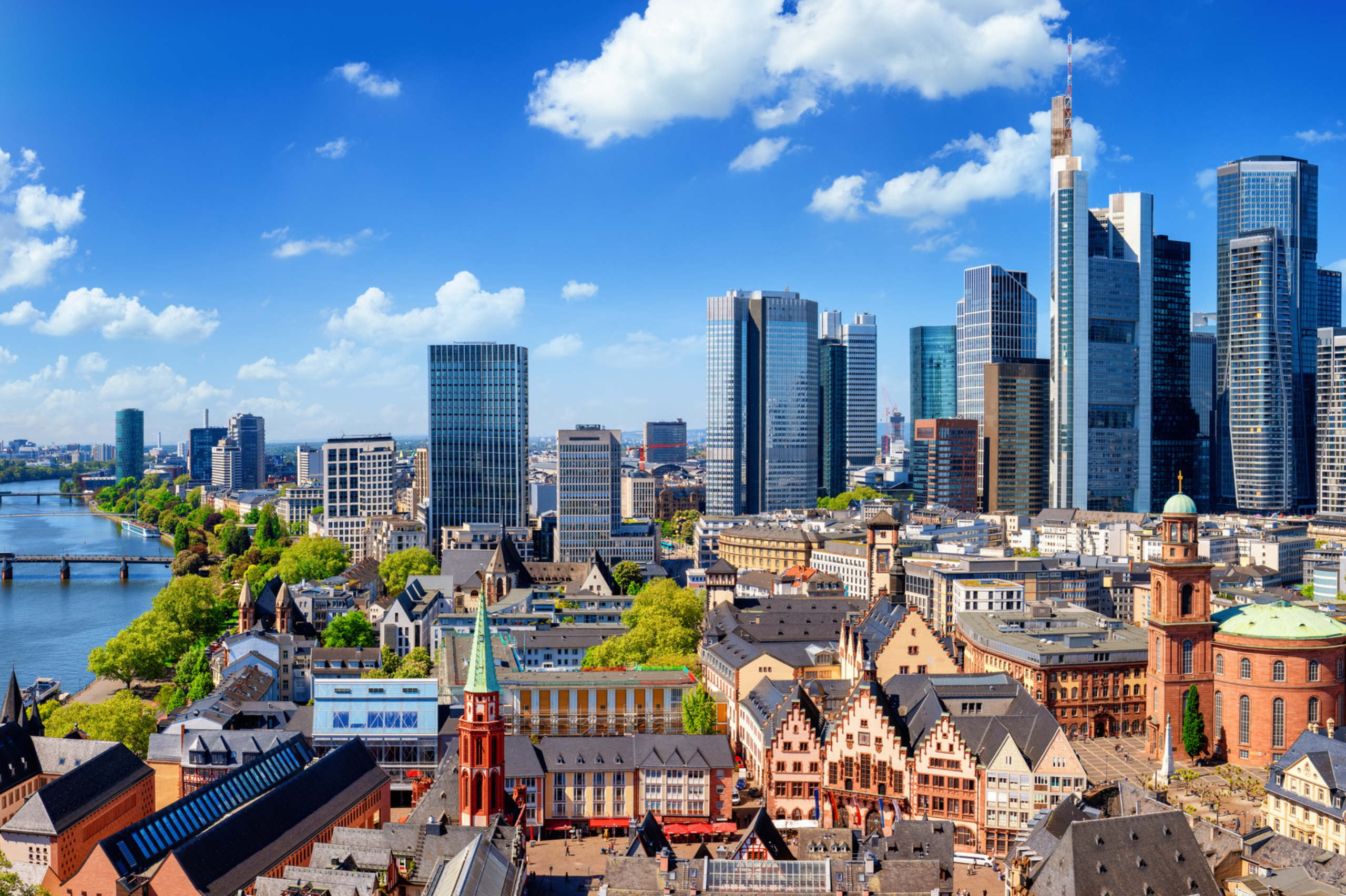
Skyscrapers in a German city


For Job-Seekers

Germany’s Opportunity Card is designed for individuals who want to live in Germany and search for employment without securing a job in advance.

To qualify, you must be recognized as a skilled worker or score at least six points under Germany’s points-based system. You must also hold a foreign academic or professional qualification that is recognized in Germany. For regulated professions, such as law, medicine, or engineering, additional approval from German authorities is required before practicing.

In addition, you must demonstrate sufficient financial resources to support yourself during your job search, typically at least €13,092 in an approved account.

The Opportunity Card allows you to live in Germany while actively searching for a job or exploring self-employment opportunities. This removes one of the biggest barriers to moving to Europe by allowing you to enter the country before securing employment.

It also improves your chances of connecting directly with German employers and building professional relationships locally, which can significantly increase your likelihood of finding qualified work.

Once you secure employment or establish a qualifying self-employed activity, you can transition to a longer-term residence permit aligned with your situation.

Over time, continued legal residence and employment in Germany can lead to more permanent status, including eligibility for EU Long-Term Residency, providing stability and expanded rights within the European Union.

Spotlight: European Union Blue Card

For Highly-Qualified Workers

The EU Blue Card is one of the most powerful and flexible visas in Germany and for the entire European Union. It is specifically designed for highly skilled professionals. If you obtain an EU Blue Card, your family can accompany you and enjoy free movement rights within the EU.

To qualify for the EU Blue Card in Germany, you must have a valid work contract or a binding job offer for highly qualified employment with a duration of at least six months.

You must also meet minimum salary thresholds. As of 2025, this is approximately €45,300 per year for general professions, or €41,041 for shortage occupations such as engineers, IT professionals, natural scientists, mathematicians, and certain medical professionals.

The EU Blue Card provides full access to Germany’s social systems, including healthcare, social security, and other public benefits.

It also offers strong mobility within the European Union. After working in Germany for one year, you can move to another EU member state and transition your Blue Card through a streamlined process, allowing you to continue working in a highly skilled role.

The EU Blue Card offers an accelerated path to long-term residency.

In many cases, holders become eligible for EU Long-Term Residency after just two years of residence in Germany, significantly faster than the standard five-year requirement. This provides greater stability and long-term flexibility within Germany and across the European Union.

Confident woman holding coffee mug next to her computer with notes on the wall

Spotlight: Germany's Research Visa

Portrait of Brilliant Female Engineer Confident and Focused Thinking, working at Aerospace Satellite Manufacturing Facility. Top World Scientist Doing Science and Technology Research in Space Program

For Scientific Researchers

Germany is at the center of groundbreaking scientific research and is home to top multinational pharmaceutical companies. Conducting research in Germany creates the opportunity for international collaboration in English-speaking environments.
 
This visa is for researchers who hold a university degree (master’s or PhD) which enables access to doctoral programs. Qualifying applicants must have been accepted into a German research institution or program. This also includes doctoral students who are enrolled at a foreign (American) university and want to travel to Germany for research.

EU Long-Term Residency

German Citizenship

Historical German castle on a hill
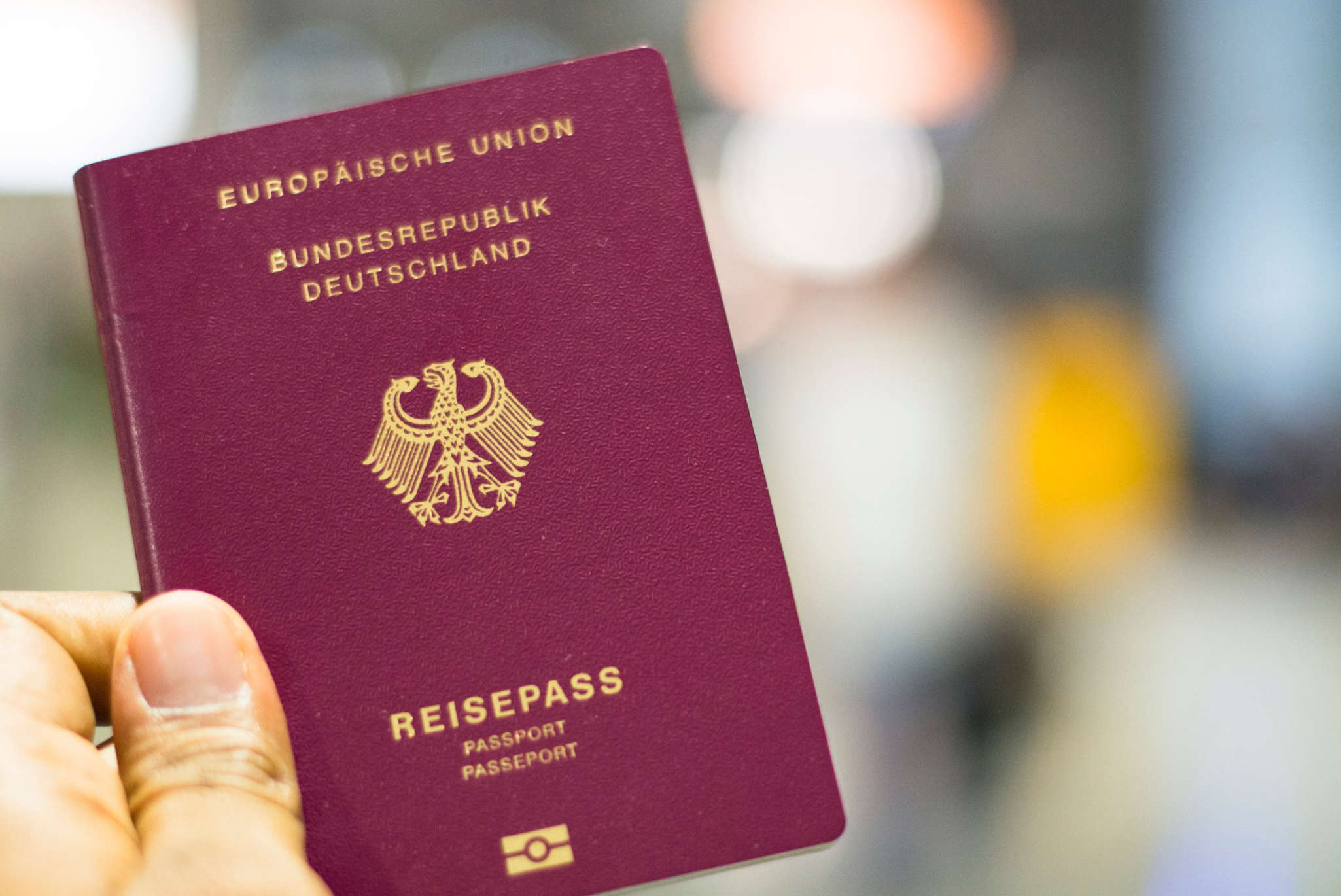
Hand holding a German passport
EU Long-Term Residency is the next step for most Americans after living in Germany for five years. EU Long-Term Residency allows you to live in Germanypermanently without any restrictions. You can apply for any job, attend any university, and utilize social benefits like Germany’s universal healthcare system. Your immediate family can accompany you and enjoy these benefits as well. If you want to move to another EU country, you can do so through a simplified procedure designed exclusively for EU Long-Term Residents.
Spanish citizenship is the ultimate goal of many of Geostrata’s clients. Spanish citizenship is also EU citizenship, so you can live and work in 27 European countries with no restrictions. The Spanish passport is the most powerful on earth, tied at number 1 on the Passport Index (ten positions higher than the US passport). To become eligible to be naturalized as a Spanish citizen, you need to live in Spain for 10 years (typically five years as a visa holder and five years as an EU Long-Term Resident).

EU Long-Term Residency

Historical German castle on a hill
EU Long-Term Residency is the next step for most Americans after living in Germany for five years. EU Long-Term Residency allows you to live in Germanypermanently without any restrictions. You can apply for any job, attend any university, and utilize social benefits like Germany’s universal healthcare system. Your immediate family can accompany you and enjoy these benefits as well. If you want to move to another EU country, you can do so through a simplified procedure designed exclusively for EU Long-Term Residents.

German Citizenship

Hand holding a German passport
German citizenship is the ultimate goal of many of Geostrata’s clients. German citizenship is also EU citizenship, so you can live and work in 27 European countries with no restrictions. The German passport is one of the most powerful on earth, tied at number 5 on the Passport Index (six positions higher than the US passport). To become eligible to be naturalized as a German citizen, you need to live in Germany for eight years and pass a German language test. The requirement is lowered to seven years if you pass an integration course.

Ways to Obtain German Citizenship

Naturalization, Ancestry, and Marriage

To be eligible, you must live in Germany for a period of at least eight years, demonstrate that you are financially stable, and pay taxes. The requirement is reduced to seven years if you pass an integration course. You must demonstrate German language proficiency at level B1 (CEFR) or higher and you must show basic knowledge of Germany’s legal system, society, and way of life, usually by passing the naturalization test (Einbürgerungstest).
Citizenship by ancestry is narrower in scope than in many European countries. If one of your parents was a German citizen at the time of your birth, than you might be eligible.
If you are married to a German citizen, than you become eligible for German citizenship after three years of marriage and two years of legal residence in Germany. You must demonstrate German language proficiency at level B1 (CEFR) or higher and you must show basic knowledge of Germany’s legal system, society, and way of life, usually by passing the naturalization test (Einbürgerungstest).
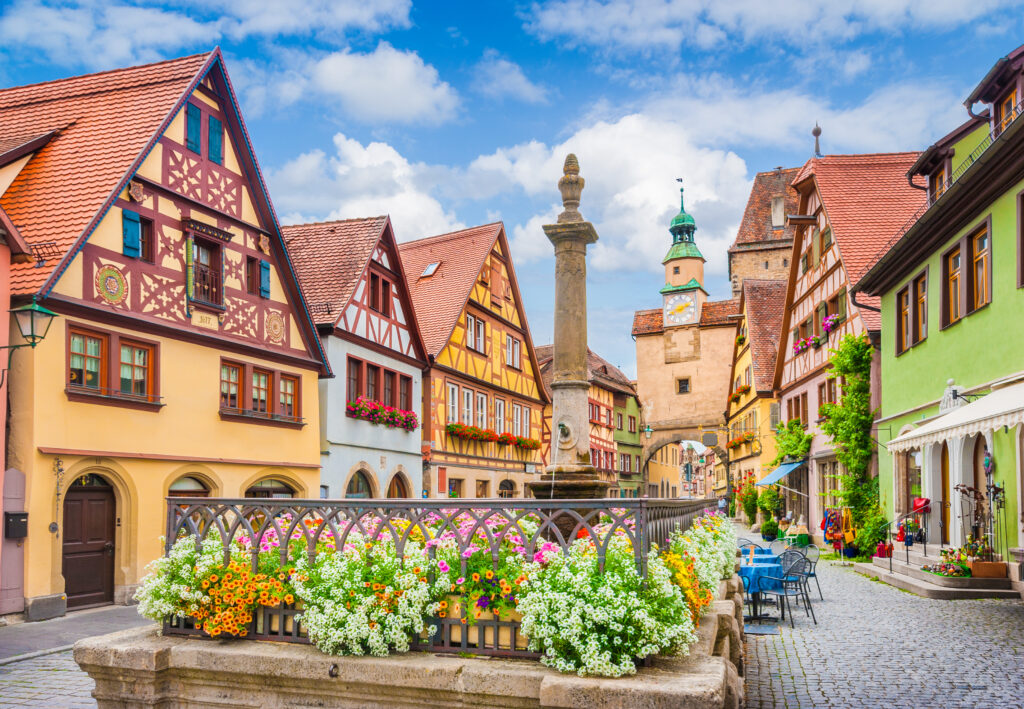
Beautiful postcard view of the famous historic town of Rothenburg ob der Tauber on a sunny day with blue sky and clouds in summer, Franconia, Bavaria, Germany
Woman holding a beer glass in her hand in traditional clothing at Octoberfest

contact us

Contact us with your questions

We would love to speak with you! Feel free to reach out with any questions.
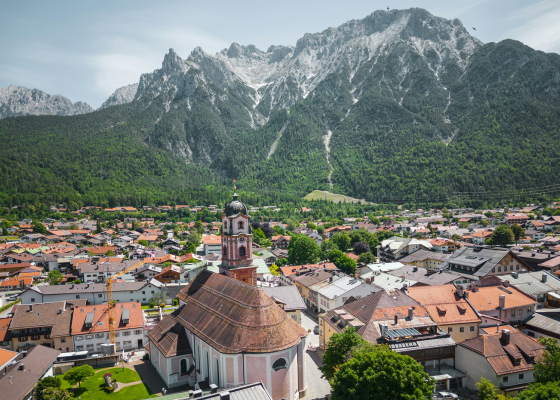
German village with mountains in the back

get in touch

Schedule a free consultation

Schedule a free consultation with our team and start your journey!

FAQ

A detailed answer to provide information about your business, build trust with potential clients, and help convince the visitor that you are a good fit for them.

A detailed answer to provide information about your business, build trust with potential clients, and help convince the visitor that you are a good fit for them.

A detailed answer to provide information about your business, build trust with potential clients, and help convince the visitor that you are a good fit for them.

A detailed answer to provide information about your business, build trust with potential clients, and help convince the visitor that you are a good fit for them.

A detailed answer to provide information about your business, build trust with potential clients, and help convince the visitor that you are a good fit for them.

Join Our
Newsletter

Immigration rules are always changing. Sign up to join our mailing list and receive the latest news about European residency planning, new visas, and more!

Welcome to Geostrata

For the best experience, rotate your tablet to landscape mode