
European Relocation for Digital Nomads and Remote Workers
Geostrata helps remote professionals move to Europe from the U.S.A. by managing every step of the relocation process.

Why Digital Nomads Are Choosing Europe
It has never been easier for working professionals and business owners to move to Europe.
Countries like Spain, Italy, and Portugal now offer Digital Nomad Visas, granting residency to individuals who earn income through remote work.
✅ Keep your U.S. income, career, and online business while living in Europe.
✅ If you earn your money online, you may already qualify.
Quality of life
European countries offer exceptionally high quality of life to residents. According to U.S. News, 8 of the top 10 countries with the highest quality of life are in Europe. Incredible fresh food, lifestyles that center around family and culture, and strong democratic institutions are the norm. Americans residing in Europe with a digital nomad visa get to enjoy this quality of life every day. Let’s explore some of the factors that contribute to Europe’s high quality of life: democracy, healthcare, affordability, safety, and mobility.
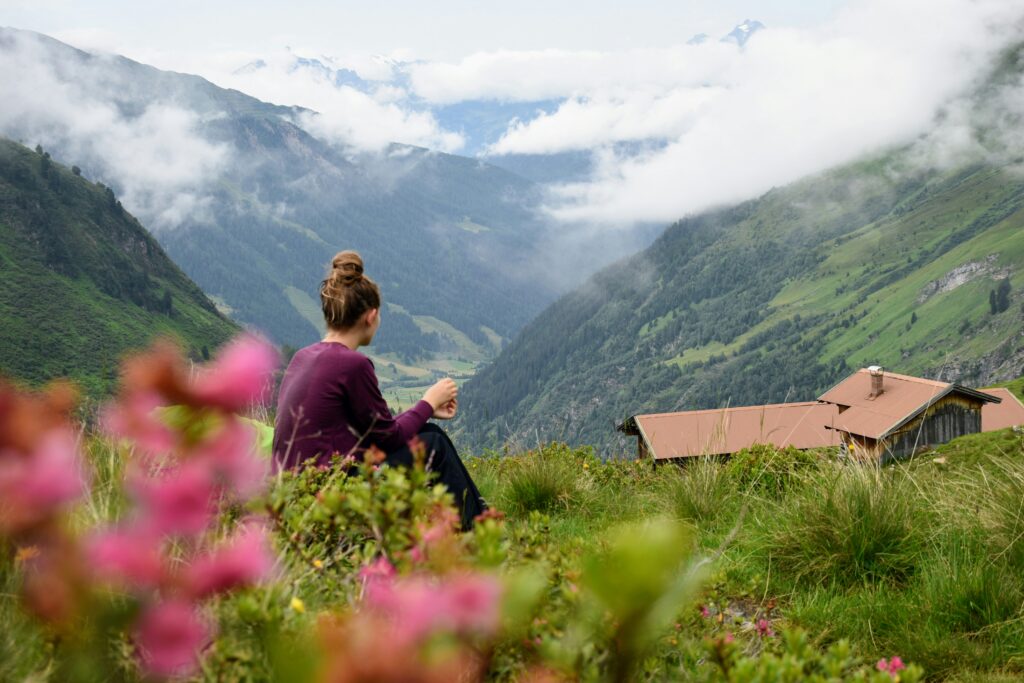
Democracy
According to the University of Würzburg’s Quality of Democracy Index, 17 of the 20 highest-ranked democracies in the world are European countries. Many Europeans believe that their government represents their values and provides them with high-quality services.
Citizens of countries in the European Union can live and work in any E.U. country freely. Cross-border mobility is unmatched in Europe.

Healthcare

European countries offer universal healthcare systems that guarantee residents access to providers, medications, and services.
Governments tightly regulate the healthcare industry, ensuring that prices are affordable.
Medical debt is virtually non-existent in Europe.
While each country has different rules, Americans living on digital nomad visas are usually able to participate in universal healthcare systems after becoming a tax resident. Geostrata helps you plan for healthcare enrollment from the start, ensuring that you can access world-class services without unnecessary delays.
Affordability
Housing, groceries, transportation, healthcare, and education are much more affordable in European countries than in the United States. Education (including college) and healthcare are guaranteed to residents in many European countries. Americans residing on digital nomad visas or remote work visas enjoy the best of both words: higher income from the U.S. paired with the lower cost of living in European countries.
According to Redfin, the median sale price for a home in California is nearly $800,000 as of May 2026. For the same price, you can live in a gorgeous Italian villa next to a world-class destination like Florence. For $150,000 – $200,000, you can easily find an updated single family home in countries like Italy and Spain.
Looking for an apartment instead? Beautiful apartments throughout the country are significantly more affordable than in major U.S. markets. Geostrata helps digital nomads and remote workers find their dream home or apartment as part of our Concierge Relocation Service.

Mobility

Mobility between countries is one of the main advantages to living in Europe. Countries in the Schengen Area enjoy total mobility without border controls. Driving from your apartment in Italy to the Swiss or French alps is as easy as driving to an Italian destination.
Many European countries share the same currency (the Euro) and have no formal border controls.
The best part? European citizens can freely move to any European Union country to work, go to school, or live without needing a visa. This extraordinary level of mobility is not available anywhere else. Geostrata helps digital nomads and remote workers plan for citizenship from our first consultation, ensuring that you can enjoy these benefits without costly or unnecessary delays.
What is a Digital Nomad Visa

Digital nomad visas and remote worker visas are designed for people who have remote jobs and earn their income through the use of computers, phones, and other digital devices. If you own a business that you operate through the use of digital tools, or work as a freelancer, you can qualify too. After five years of residence, digital nomads and remote workers can apply for permanent residence (and no longer need a visa to live and work in Europe).
Tourism
Visiting as a tourist only allows Americans to stay in European countries for 90 days or less, and working is illegal (even remote work).
Time spent in Europe as a tourist does not count towards the five years required for permanent residency.
Geostrata helps digital nomads and remote workers plan for E.U. Long-Term Residence and citizenship before they enter their new country.
Income Requirements
Each European country has different income requirements to qualify for remote worker visas and digital nomad visas.
You can combine multiple income streams to qualify. For example, if you have a full-time remote job earning $70,000 per year, and work as a contractor for private clients earning $30,000 per year, your total income of $100,000 is considered.
Here are the gross income requirements for our three most popular destinations for digital nomads:
Italy: €2,333 per month in verifiable income
Spain: €2,849 per month in verifiable income
Portugal: €3,700 per month in verifiable income
Residence Requirement
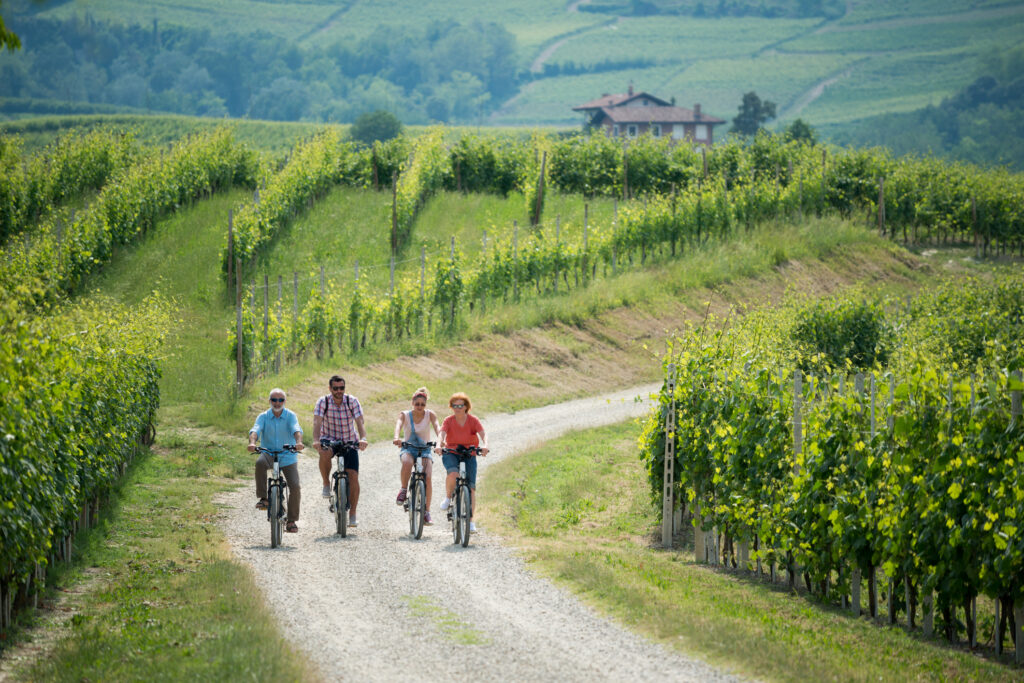
All digital nomads and remote workers must have a valid place of residence. This can be a home that you purchase, an apartment that you lease, a full-furnished rental, or another approved option.
Geostrata helps digital nomads and remote workers find a compliant residence that fits within their budget. As mentioned before, many Americans are surprised by how many options fit within their budget compared to the U.S.!

How Can Americans Live in Europe While Working Remotely?
Approved types of income
Digital nomad visas and remote worker visas require you to derive all your income abroad.
For example, an American marketer works as a contractor for clients based in Canada and has a full-time remote job that is based in the United States. The marketer lives in Italy on a digital nomad visa. This situation is compliant because all of the marketer’s income is derived from outside of Italy.
If the marketer wants to work for an Italian company or have Italian clients, they must have a freelancer visa or employment visa.
Geostrata and our legal partners will develop and execute a residency strategy that is compliant and allows you to grow your business or develop your career in your new country.

Best Countries in Europe for Digital Nomads
Italy, Spain, and Portugal are our most popular destinations for digital nomads and remote workers. There are a few reasons for this.
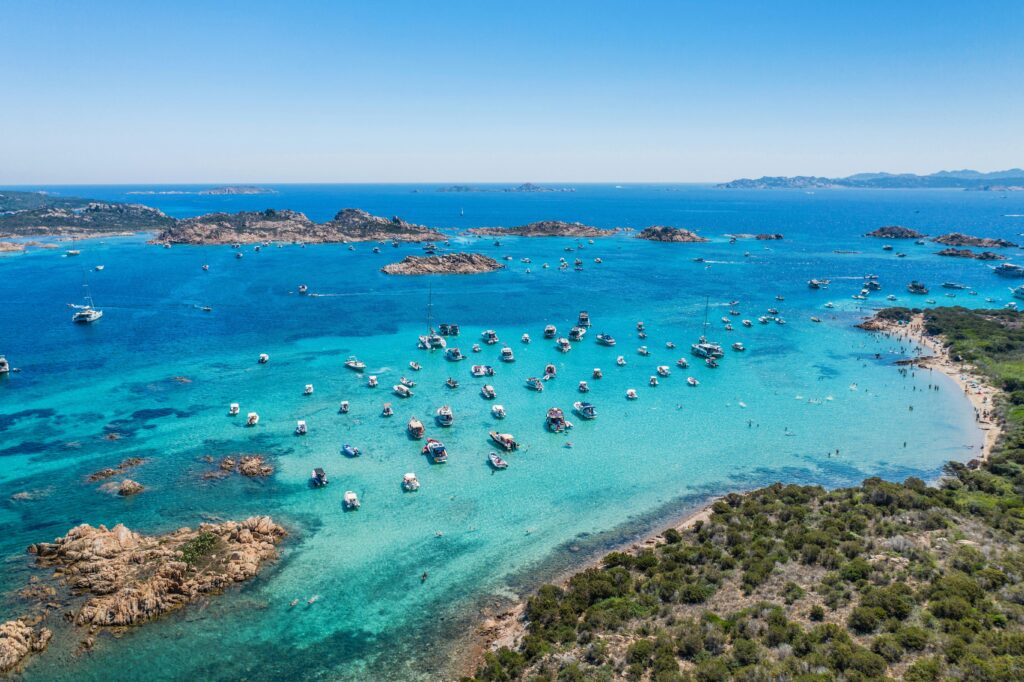
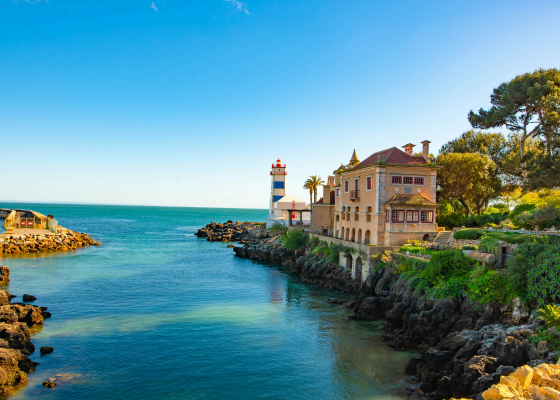
Italy, Spain, and Portugal all have sunny mediterranean climates and pristine beaches. All three countries are known for their world-class cuisine, wines, and food cultures. Most importantly, Americans can enjoy the lower cost of living in these countries, making your existing income go much farther than in more expensive countries.
How Geostrata Helps Digital Nomads Relocate
Geostrata helps digital nomads and remote workers move to a European country through our Concierge Relocation Service. Our Concierge Relocation Service covers the planning phase, execution phase, and arrival phase.
We will assess all of your visa options across the 20 countries that we serve, and create a comprehensive relocation plan for you. An in-country immigration attorney will prepare and submit your visa application, ensure tax registration, and coordinate your residence permit.
We will search for apartments and homes based on your budget and needs. If you have a family accompanying you, we will execute their relocation as well.
Included in our Concierge Service is our intercultural training course. The six-hour interactive online course was created exclusively for Geostrata by Professor Melissa Hahn, our intercultural communications expert. This course will prepare you for the common speedbumps that expats face, help mitigate the symptoms of culture shock, and prepare you for a successful integration.
Our proven system prevents the costly mistakes that often arise when digital nomads and remote workers attempt to navigate complex immigration systems alone. You will have unlimited access to a Geostrata Expert, allowing you to confidently move through the process.


contact us
Contact us with your questions
We would love to speak with you! Feel free to reach out with any questions.
get in touch
Schedule a free consultation
Schedule a free consultation with our team and start your journey!
FAQ
What is a digital nomad visa?
A digital nomad visa allows you to live in a European country while working remotely for a company or clients outside that country. It’s one of the most flexible and popular pathways for families looking to relocate without changing jobs.
Which countries offer digital nomad visas in Europe?
Several European countries now offer digital nomad visas, including Spain, Portugal, Italy, Greece, Croatia, and more! Options and requirements vary widely, so the best choice depends on your income, goals, and timeline. Geostrata helps you identify the right fit and navigate the process with confidence.
What jobs allow you to become a digital nomad?
Any job you can do fully online can qualify. Common examples include tech, marketing, consulting, design, writing, and remote corporate roles. The key requirement is stable, verifiable income from outside your destination country.
What are the requirements for a digital nomad visa in Europe?
Requirements vary by country, but most ask for proof of remote work, a stable income above a set threshold, valid health insurance, and a clean background check. Geostrata helps you identify the right country and ensure you meet every requirement before you apply.
Which countries have the easiest digital nomad visa process?
Some countries are known for more streamlined processes and faster approvals, but “easy” depends on your income, work setup, and goals. Geostrata helps you identify the most straightforward path for your situation and guides you through it from start to finish.
Do digital nomads pay taxes in Europe?
It depends on the country and how long you stay, but in many cases you may become a tax resident and owe taxes locally. The rules vary significantly, so Geostrata helps you understand the implications and connect with trusted tax professionals to plan ahead.
How long can you stay on a digital nomad visa?
Most digital nomad visas are issued for 12 months initially and can often be renewed for several years, depending on the country. In many cases, after five years of residence, you may become eligible for EU Long-Term Residence. Geostrata helps you choose a pathway that aligns with your long-term plans from the start.
Can I bring a partner or family?
Yes—most digital nomad visas allow you to bring your spouse or partner and dependent children. Requirements vary by country, but Geostrata helps you structure your application so your family can join you smoothly.